
Product and Quantity Checks
Model, specification, visible condition, dimensions, function samples, accessories, quantity and agreed inspection items.
Once goods leave the factory, shortages, wrong models, weak packing, missing accessories and loading damage become expensive to correct. Easysail coordinates practical pre-shipment checks and loading records for project cargo, machinery, building materials and multi-supplier shipments.
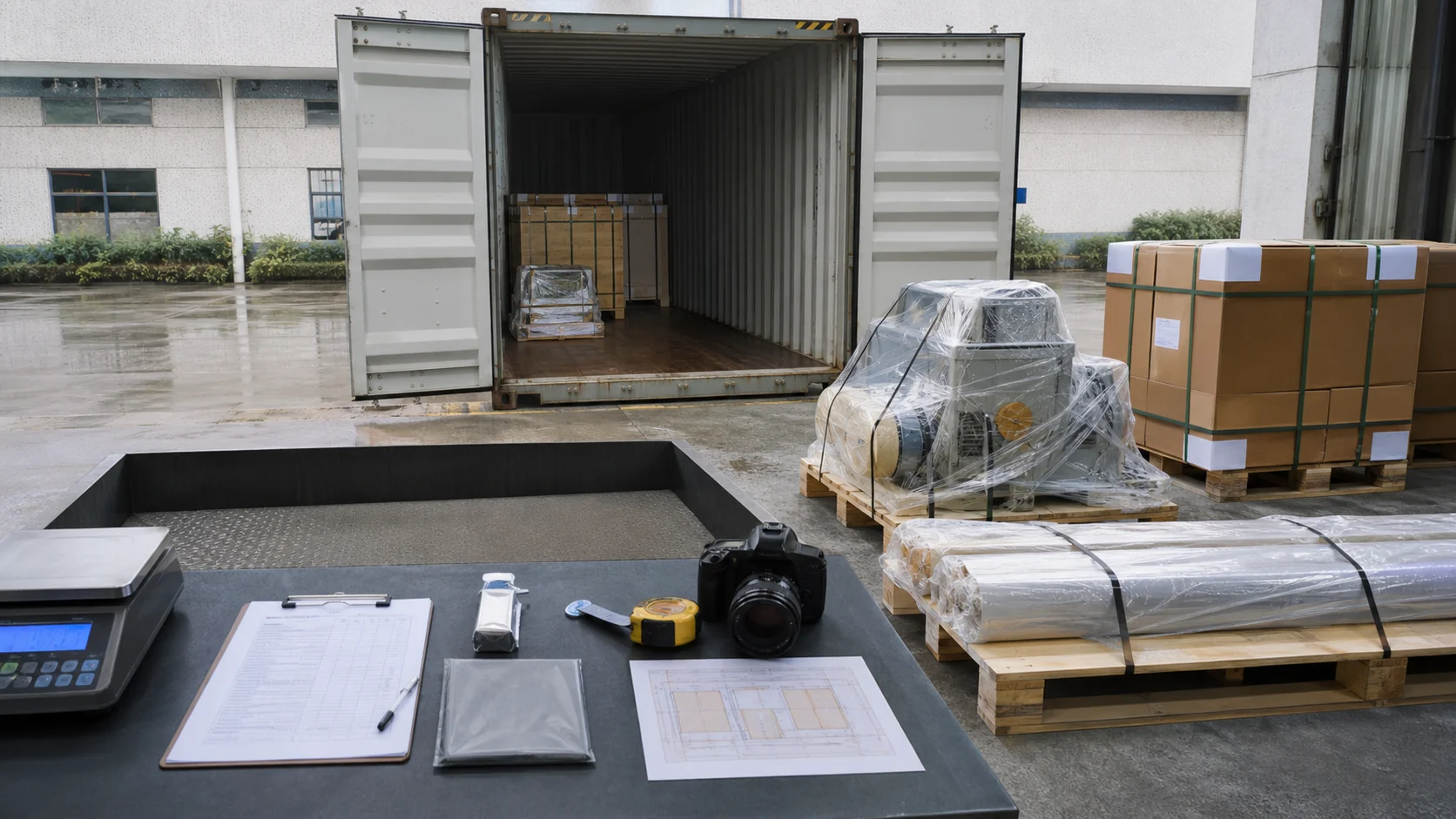
A pre-shipment inspection checks whether the available goods match the approved order and inspection scope. Loading supervision checks what is actually placed into the container or prepared for special transport, and records the condition and identifiers at dispatch.
For heavy machinery, fragile building materials and mixed-supplier cargo, the loading method also matters. Weight distribution, lifting points, moisture protection, blocking, bracing, carton condition and loading sequence should be considered according to the cargo and transport method.
The checklist is prepared from the purchase order, approved sample, specification sheet, packing requirements and shipment plan.
Model, specification, visible condition, dimensions, function samples, accessories, quantity and agreed inspection items.
Carton or crate condition, labels, shipping marks, item numbers, protection for fragile or heavy cargo and photographed packing details.
Cargo arrival, loading sequence, handling method, visible container condition, container number, seal number and loading photos or video.
Communication with suppliers, warehouse and freight forwarder regarding readiness, cargo data, booking requirements and export documents.
The inspection scope should be agreed before the inspection date so that required equipment, samples and records are available.
The buyer receives findings before release whenever the schedule and payment arrangement allow.
Confirm purchase order, specifications, approved references, sample size, packing and loading requirements.
Check agreed product, quantity, function, appearance, accessories, packing and labeling items.
Document findings, defects, cartons, cargo condition, loading sequence, container and seal information.
Follow supplier correction, buyer release decision, warehouse handover and freight-forwarder requirements.
A visual random check is not a substitute for technical testing, laboratory certification or engineering commissioning. We define the practical on-site scope clearly and coordinate qualified third parties when specialist testing is required.
Yes, if the commercial terms allow it. Buyers should connect the inspection and correction process to the agreed payment milestone before placing the order.
Yes. Heavy equipment may require flat rack, roll-on/roll-off, open-top container or other transport arrangements. The loading plan should be coordinated with the supplier and freight specialist according to dimensions, weight and lifting requirements.
Yes. This requires a consolidation plan covering supplier readiness, warehouse delivery, item identification, inspection status, cargo dimensions and loading priority.
Send the purchase order, supplier location, product details, expected completion date, inspection requirements and planned shipping method.